
When to Harvest Figs: Morning vs. Evening Picking and Tips for Maintaining Freshness During Transport
Updated: 2026-10-11
Figs have a short shelf life after harvest, and their flavor varies significantly depending on the timing of picking and how they are transported. Questions such as "What time should figs be harvested?" and "How can figs be carried from field to home without damage?" are discussed on the message board as frequently as variety identification inquiries. This article outlines the differences in harvest timing and the fundamentals of post-harvest handling.
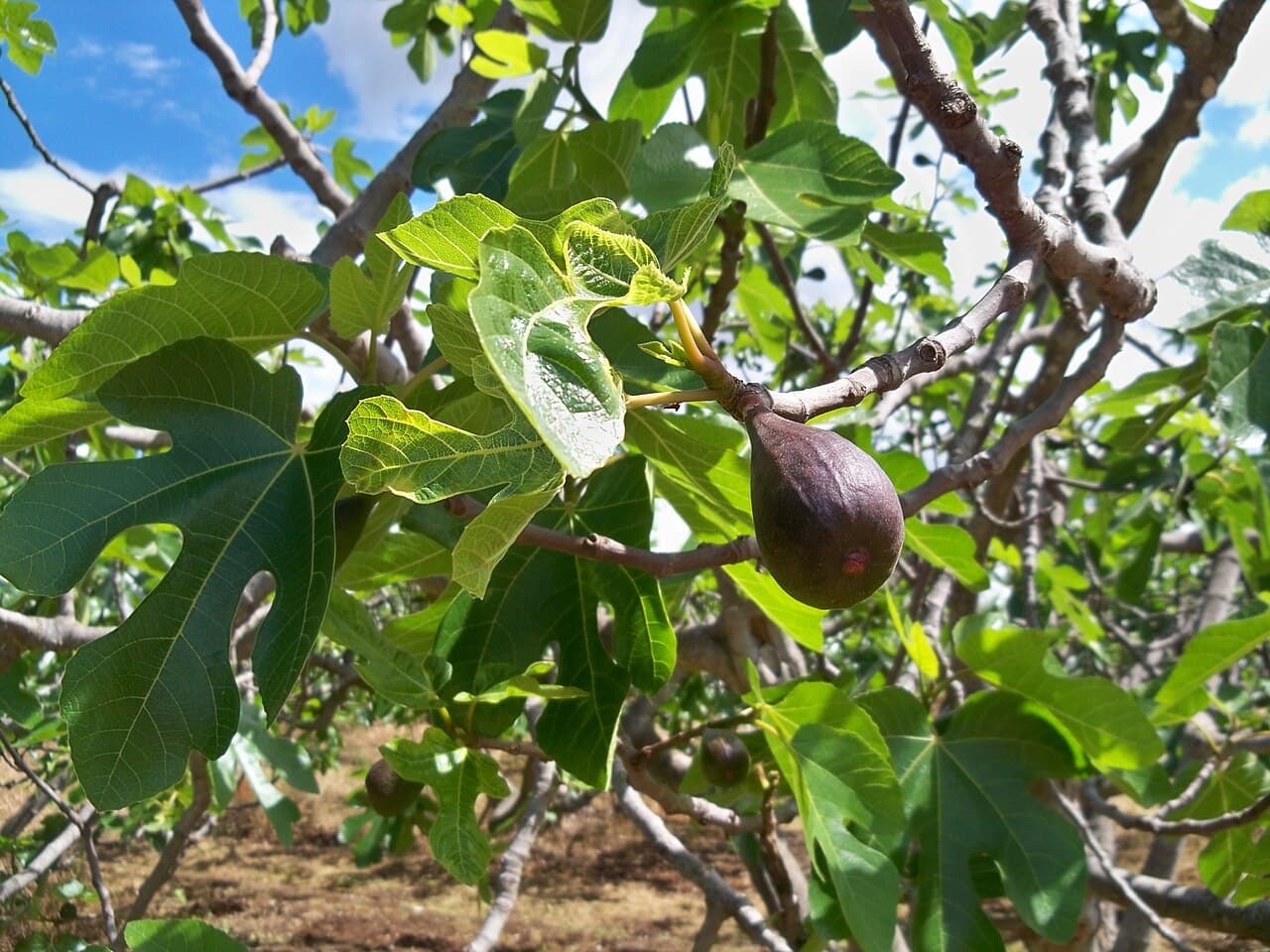
What changes between morning and evening harvest
Figs absorb moisture from night through early morning, and fruit condition changes as daytime temperatures rise. Therefore, the common belief that "morning-harvested fruit is sweetest" is partly correct and partly misconception. More precisely, it is practical to harvest fruit that has reached full ripeness during cooler hours. Before temperatures rise, fruit remains firmer, resists damage better, and reduces physical strain on the harvester. However, sugar content itself is determined not by harvest time, but by the accumulated effects of light, temperature, and moisture management leading up to full ripeness. Harvesting in the morning does not cause unripe fruit to become sweet.
Precautions for harvesting during high-temperature periods
Harvesting during midday heat in high summer causes the fruit itself to reach high temperatures, softening the flesh and making it susceptible to damage from its own weight during transport. Additionally, working in direct sunlight increases contact with tree sap (latex) on the skin, which can cause irritation in those with sensitive skin; wearing long sleeves and gloves during harvest is advisable. When possible, complete harvesting in the morning before temperatures peak, or in the evening after sunlight intensity diminishes. This reduces stress on both the fruit and the worker.
The optimal time of day for harvesting varies by variety.
Varieties with thin, soft skin are more susceptible to heat and pressure damage, making harvest during cooler hours particularly suitable. For example, Improved Celeste, which focuses on breba crop and has a concentrated harvest period, ripens fruit all at once, making it easier to manage freshness by harvesting in bulk in the morning. Conversely, varieties with firm skin such as Violette de Bordeaux tend to resist damage relatively well even during periods of higher temperatures. Since differences in ripening patterns among varieties are documented in the variety directory, referring to harvest timing shared by growers of the same variety is also recommended.
Tips for Maintaining Freshness During Transport After Harvest
- Stand the harvested figs upright with the stem end facing up, and arrange them so the fruits do not overlap one another.
- Transport in a single layer on shallow trays or colanders without stacking in deep containers.
- Place in direct sunlight and do not move. Alternatively, use shade or a cooling bag.
- Refrigerate portions not eaten the same day promptly, and consume within the day of harvest or by the following day if possible.
How Much to Harvest at Once
Figs deteriorate rapidly within several days of full ripeness, making them a perishable fruit with limited storage life. Before harvesting, estimate the quantity that can be consumed fresh or processed (as jam or frozen), then harvest accordingly. Even when fruit is fully ripe, it may be necessary to leave some figs on the tree rather than harvest them prematurely. Storage methods for periods of heavy crop production are covered in a separate article; refer to that resource when managing a simultaneous glut of ripe fruit.
The time of day for harvest does not directly affect sugar content, but selecting cooler hours reduces both fruit damage and labor stress. Determine harvest timing based on the ripening characteristics of each variety, and maintain freshness by transporting fruit as quickly as possible after harvest without stacking.
Not sure what your fig is?
Post a photo of the leaves and fruit and see what other growers think. "Maybe" is a perfectly good answer here.
Post your figRelated varieties
Not going the way you hoped?
Ask other growers on the board. A photo gets you a faster answer.