Six Reasons Why Fig Trees Don't Bear Fruit and How to Fix Them
Updated: 2026-07-13
"The fig tree was planted but has not produced fruit for years." "Fruit develops but drops before reaching full size." These are common concerns in fig cultivation. The causes are not singular; tree age, fertilization, sunlight, variety type, and environmental stress interact in complex ways. Identifying which factors apply to a specific situation is the most direct path to effective solutions.
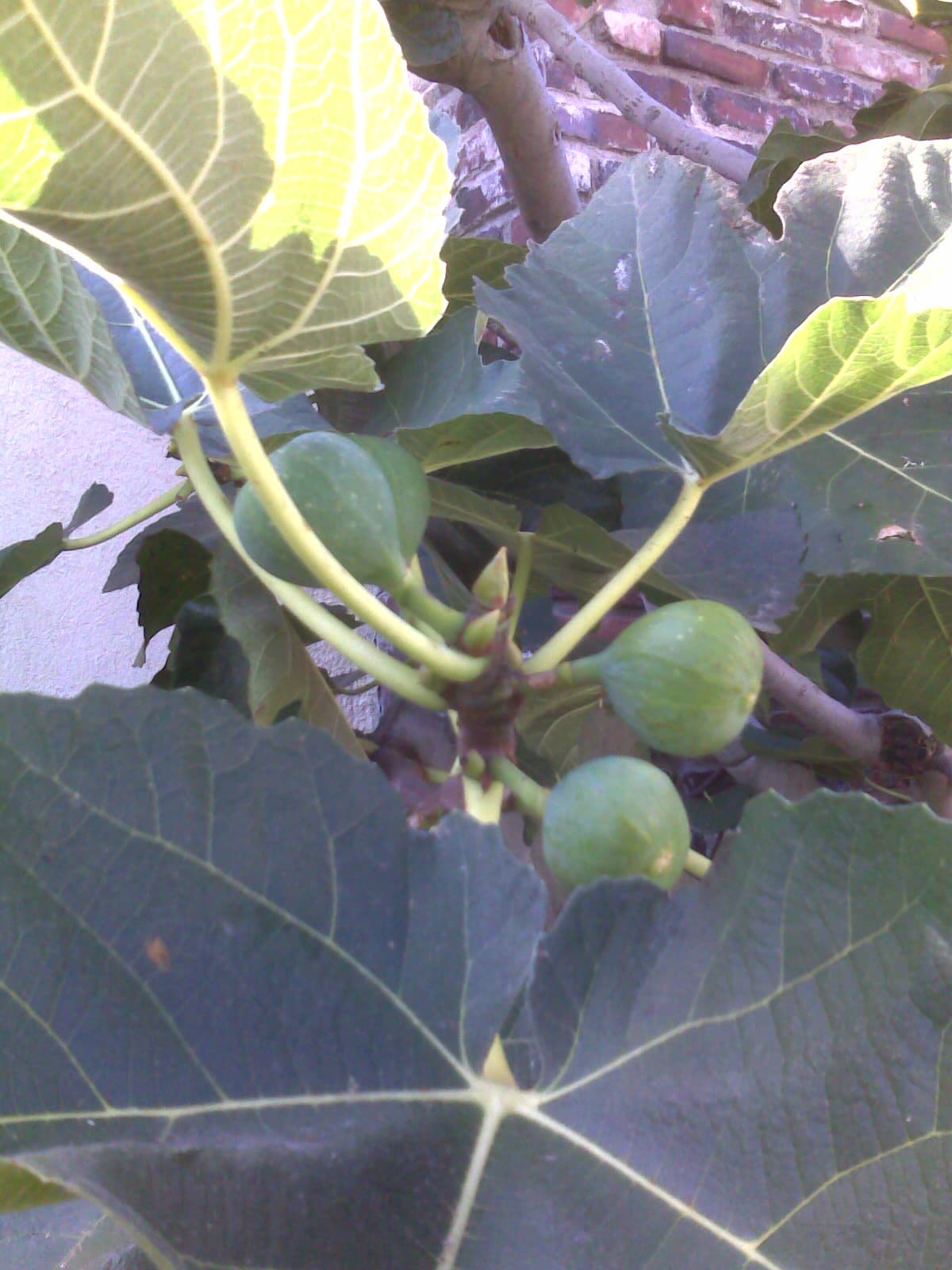
The tree is still young and not fully established.
Figs in their first or second year after planting are in a stage of establishing roots and branches. It is common for little to no fruit to set during this period. Applying strong fertilizers or heavy pruning in an attempt to stimulate fruiting will instead encourage vegetative growth of shoots and leaves. The foundation should be adequate sunlight and proper watering, with priority given to developing a strong tree structure. Some varieties may produce summer crop fruit in the year following planting.
2. Excessive nitrogen causing vegetative overgrowth
Excessive fertilizer, particularly nitrogen, causes "vegetative overgrowth" where branches and foliage grow vigorously at the expense of fruit production. If leaves are dark green and oversized, stems elongate rapidly, yet fruit set remains sparse, reduce fertilizer application.
- Reduce nitrogen fertilizer and switch to a fertilizing regimen that emphasizes phosphorus and potassium.
- Hold back on additional fertilizer applications from midsummer onward.
- When figs are planted in ground with overly rich soil, they can develop adequately for several years without additional fertilization.
3. Insufficient Light
Figs are fruit trees that prefer strong sunlight. In partial shade, the branches may grow but fruit set and sugar content decline, and fruit drop increases. Ideally, provide at least 6 hours of direct sunlight daily. For container-grown figs, move the plant to a sunny location. For in-ground plantings, thin congested branches to allow light and air circulation.
4. Planting a type that requires pollination
In fact, figs have three types that differ in their fruiting mechanism, and planting without understanding this can result in fruit never ripening no matter how long one waits.
Common (Edible) Types—No Pollination Required
受粉なしで単為結果するタイプで、日本で流通する苗の大半がこれです。桝井ドーフィンやとよみつひめ、ブラウンターキー、セレストなどが代表。初心者はまずこの系統を選べば失敗しにくいです。
Smyrna type—requires specialized pollination
Smyrna-type figs, represented by Calimyrna, require pollination by the fig wasp (caprification) for fruit to develop; without it, fruit will drop. Since this wasp is essentially absent in Japan, it is safer to regard these varieties as difficult to fruit in home gardens.
San Pedro type — summer crop does not require pollination
San Pedro varieties such as Desert King produce summer figs on previous year's wood without pollination, but autumn figs on new growth require pollination and tend to drop. Growing these varieties is best approached by focusing on the summer crop.
When the type of variety on hand is unclear, consulting the variety reference guide to research the lineage or having a photo reviewed on the forum can help make identification easier.
5. Fruit drop even after setting (abscission)
Fruit drop after fruit set is primarily caused by water management and environmental stress. When multiple factors combine, immature fruit tends to drop readily.
- Drought stress, waterlogging, and abrupt fluctuations between dry and wet conditions
- Container root binding
- Excessive fruit set on a single branch
- insufficient sunlight or extreme heat
To address this, water potted figs thoroughly when the soil surface dries out to minimize fluctuations between wet and dry conditions. Repot when roots become pot-bound, thin fruit in cases of excessive fruiting, and apply mulch around the base of the plant to prevent drying out; these measures will reduce fruit drop.
6. Loss of fruiting wood due to cold damage or pruning mistakes
In cold climates, branches may die back over winter, and fruiting branches can be lost along with them. Severe pruning that cuts back branches excessively will also remove the fruiting wood for that season. In regions where cold is a concern, selecting cold-hardy varieties such as Chicago Hardy tends to provide more consistent fruiting.
In summary, the causes of fig trees failing to fruit or dropping fruit are varied—including young trees, excessive nitrogen, insufficient sunlight, variety type, fruit drop, and cold damage—but each can be addressed with proper management. Begin by establishing adequate light and appropriate watering, while keeping fertilizer application modest. Confirming the variety type and selecting a cultivar suited to the growing environment provides the most direct path to harvesting quality fruit year after year.
Not sure what your fig is?
Post a photo of the leaves and fruit and see what other growers think. "Maybe" is a perfectly good answer here.
Post your figNot going the way you hoped?
Ask other growers on the board. A photo gets you a faster answer.