
Fig Salt Damage Prevention | Placement and First Aid in Coastal and Salt Spray Areas
Updated: 2026-10-12
When figs are grown in gardens or on balconies near the coast, leaf margins may turn brown and curl, or new growth may be damaged following typhoons or strong seasonal winds. This is often not caused by disease or pests, but rather by salt damage from sea spray carried on the wind—a condition known as salt injury. This section outlines how to distinguish salt damage from other symptoms and describes preventive measures for container-grown and in-ground figs, as well as site selection.
Identifying Signs of Salt Damage
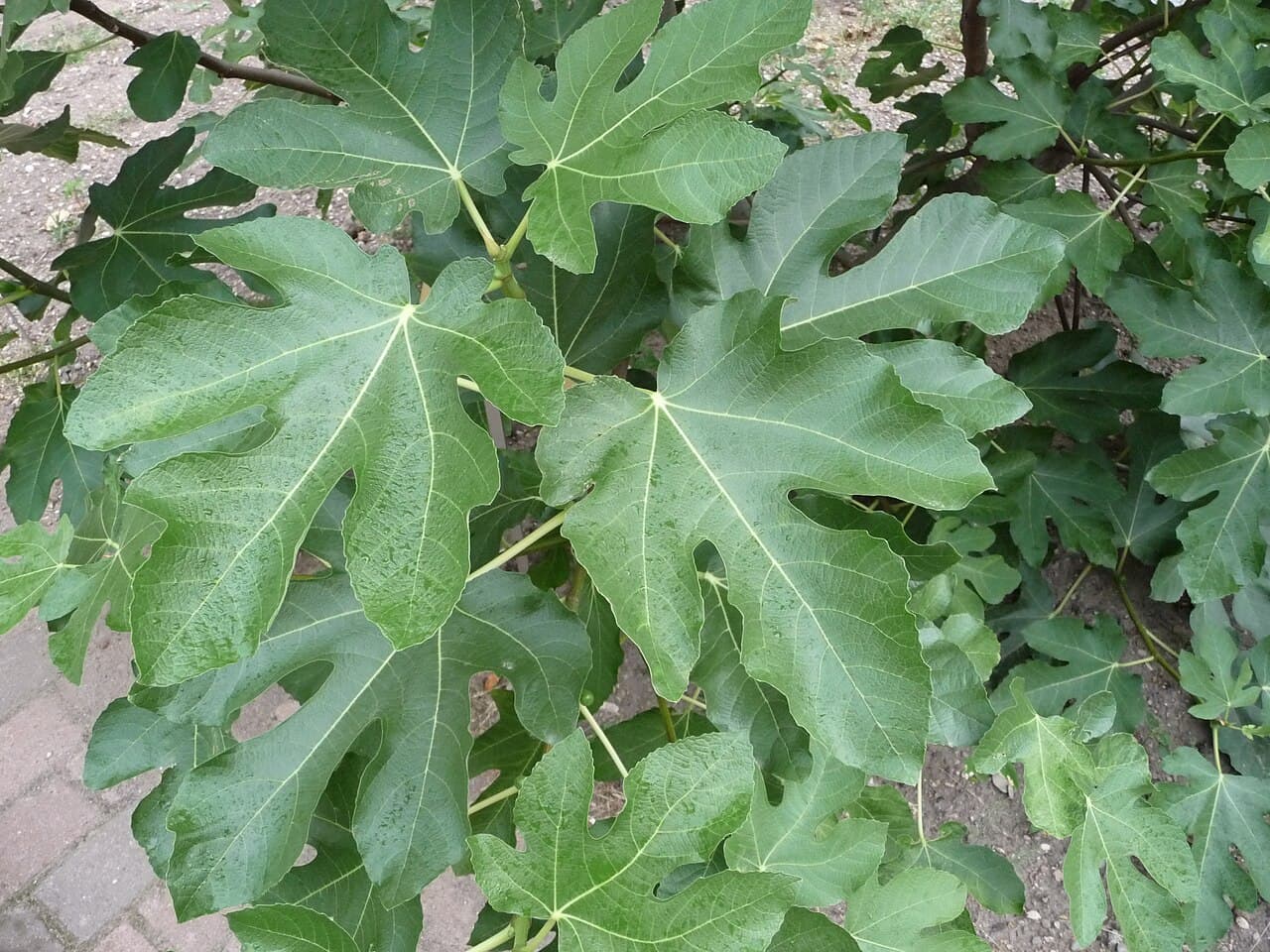
Salt damage begins with injury to leaves facing the windward side, namely the seaward side. Leaf margins become scorched and crispy; as damage progresses, entire leaves discolor and drop. Unlike irregular notching from insect feeding or the spotted patterns seen in rust disease, salt damage is characterized by relatively uniform scorching from the margins inward toward the center. Symptoms typically appear within several days following the passage of typhoons or heavy rain accompanied by strong winds, making it easier to determine whether damage is salt-related based on the timing of occurrence.
Reducing Damage Through Placement
The most effective approach is to select a location where salt spray does not strike directly in the first place.
- Place the tree in the leeward side of a building or block wall, or utilize a corner of the property, positioning it where wind from the sea does not strike directly.
- Install a windbreak net or dense hedge on the windward side to physically block salt-laden wind.
- When selecting a location for planting in the ground, prioritize inland areas as far as possible from coastal regions.
Container Growing Methods
Container figs can be moved to adjust placement according to weather conditions, taking advantage of their portability.
- Move potted figs to sheltered locations such as the back of the balcony, against walls, or areas closer to the building interior before typhoons are forecast to approach.
- After exposure to salt spray from coastal winds, rinse both the upper and lower leaf surfaces with fresh water as soon as possible to remove all salt residue.
- Salt accumulates readily on the soil surface as well, so apply copious amounts of fresh water until it drains from the pot bottom, rinsing away the accumulated salts.
Measures for In-Ground Planting
In-ground planting requires attention primarily to managing salt accumulation in the soil, since plants cannot be moved as they can in containers.
- After strong winds pass, apply abundant fresh water to flush salt from the root zone downward.
- Use well-draining soil or raised beds to create conditions where salt and moisture do not accumulate on the surface.
- Mulch around the base of the plant with organic material to prevent surface soil drying and salt concentration.
Variety Selection and Routine Care
While salt spray tolerance is not uniformly documented across fig varieties, those with thick, durable foliage or varieties with multiple cultivation examples in windy regions tend to recover quickly even after damage. Consulting the community forum about practices used by growers in similar coastal environments can provide practical reference. Variety-specific characteristics are also available in the variety reference guide.
A single exposure to salt damage rarely kills the tree; recovery typically occurs through new growth in the following season. However, repeated exposure will steadily decline tree vigor. Before typhoon season arrives, review placement and windbreak measures. After damage occurs, rinse thoroughly with fresh water as soon as possible to prevent salt accumulation. These practices are key to maintaining healthy figs in coastal regions.
Not sure what your fig is?
Post a photo of the leaves and fruit and see what other growers think. "Maybe" is a perfectly good answer here.
Post your figNot going the way you hoped?
Ask other growers on the board. A photo gets you a faster answer.