
Top 10 Fig Varieties for Beginners | Easy-to-Grow Classics
Updated: 2026-07-13
Figs rank among the easiest home fruit trees to grow, and with proper technique, container-grown plants can produce abundant harvests year after year. That said, hundreds of fig varieties exist worldwide, and selecting a first plant can prove surprisingly difficult. This article introduces ten reliable beginner-friendly varieties known for consistent fruiting, vigor, and low failure rates, with key characteristics summarized concisely. For varieties of interest, consult the variety guide to view photographs and detailed information.
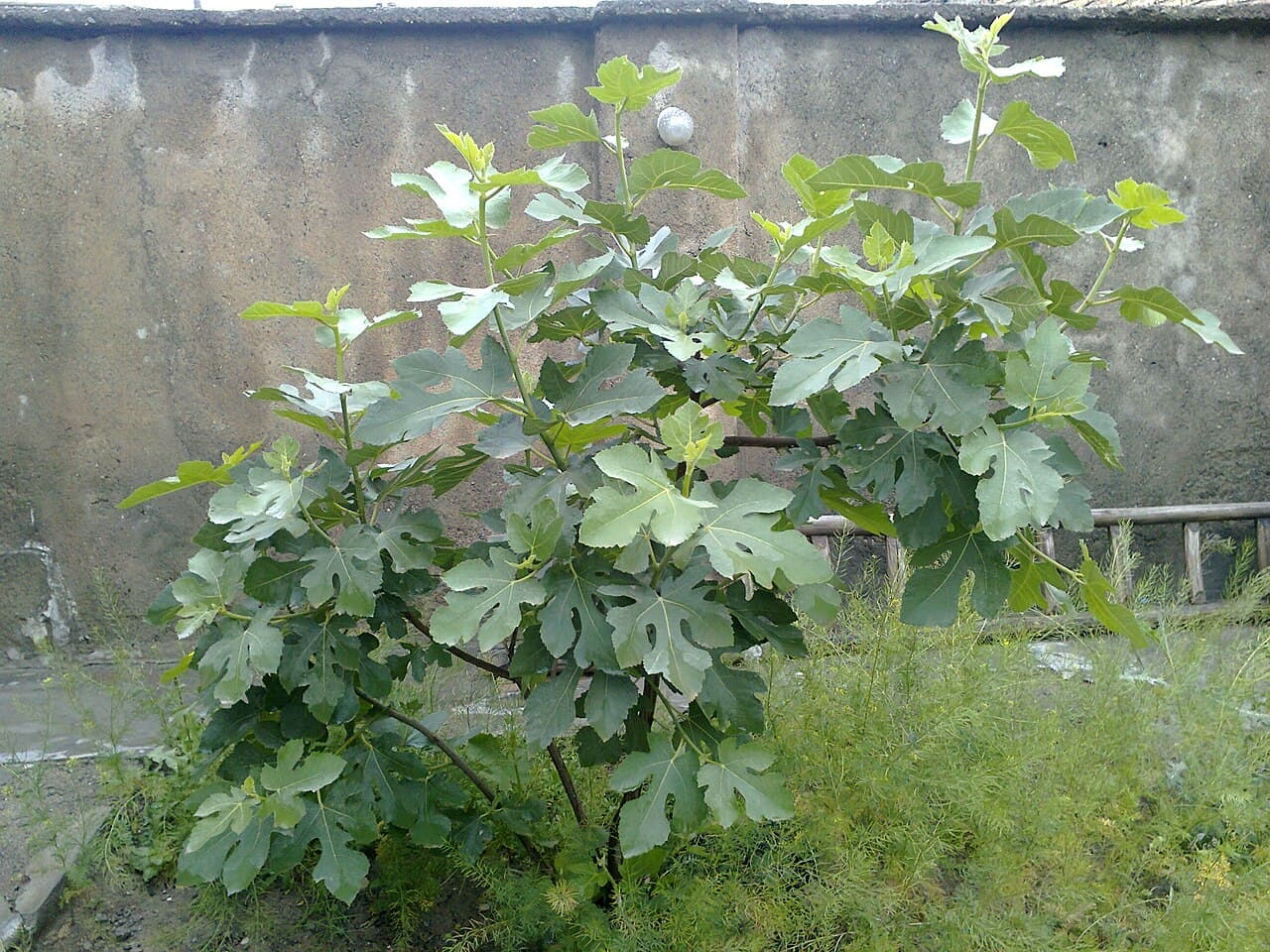
Four Points for Beginners When Selecting Varieties
- Fruiting performance: Selecting prolific varieties that bear well even on young trees minimizes disappointment and allows the harvest satisfaction to come sooner.
- Cold Hardiness (Zone): Lower numbers indicate greater cold tolerance. Select varieties with higher cold hardiness ratings for colder regions.
- Eye (fruit apex) closure: Varieties with closed eyes are resistant to fruit splitting and rot caused by rainwater infiltration and insect entry, making them well-suited to regions with rainy seasons such as Japan.
- Tree size: For container cultivation, varieties with mild vigor that develop compactly are easier to manage and recommended.
10 Fig Varieties Recommended for Beginners
First Choice: Three Standard Japanese Varieties
- Masui Dauphine: The leading variety most widely cultivated in Japan. Bears large fruit; produces both breba and main crop figs. Strong growth vigor and consistent productivity. A reliable first choice when in doubt.
- White Genoa: Medium fruit with yellowish-green skin and refined sweetness without distinctive flavor notes. Hardy and suitable for container cultivation, making it a long-established choice for home gardeners.
- Toyomitsuhime: A high-sugar variety originating from Fukuoka, prized for its melting sweetness. Suited somewhat to warm climates, making it recommended for temperate regions.
Four Varieties Selected for Sweetness and Ease of Growing
- Brown Turkey: A worldwide standard. Vigorous growth habit with reliable fruiting from young trees and excellent environmental adaptability—a reliable choice.
- Celeste: A reliable variety with a closed eye at the fruit apex, offering resistance to splitting and insect damage. Though small in size, it produces fruit with high sugar content and possesses good cold hardiness.
- Violette de Bordeaux: A compact-growing variety well-suited to container cultivation. Prized for its intense sweetness and striking dark purple-black color.
- Ronde de Bordeaux: An early-season variety that allows harvesting from the beginning of the season. Despite producing small fruit, it offers concentrated flavor and the tree remains compact and manageable.
Three Varieties Selected for Cold Hardiness and High Yield
- Chicago Hardy: Exceptionally cold-hardy, as the name suggests. Even if the above-ground portions suffer cold damage, the plant readily regenerates from the base, making it a cultivar well-suited to growing in cold climates.
- LSU Purple: Disease-resistant and productive; may bear fruit multiple times per year under favorable conditions. A hardy variety suited to warm regions.
- Roxo de Valinhos: A high-yielding variety widely cultivated in Brazil. Vigorous and hardy, with the advantage of reliable and consistent harvests even for beginning growers.
When in Doubt About Variety Names
Figs frequently experience varietal name confusion during nursery distribution, and regional naming differences are not uncommon. When the variety of a tree on hand is unknown, or when the label variety raises questions, comparison by fruit skin color, leaf shape, and eye characteristics in the variety guide is recommended, or consultation on the forum with accompanying photographs is advisable.
For the first fig, prioritizing reliable fruiting and hardiness provides the most direct path to success. Begin with established varieties such as Masui Dauphine or Brown Turkey, then gradually expand to sweeter or more unusual cultivars as growing experience develops. Locate a variety suited to the local environment using the variety guide.
Not sure what your fig is?
Post a photo of the leaves and fruit and see what other growers think. "Maybe" is a perfectly good answer here.
Post your figRelated varieties
Not going the way you hoped?
Ask other growers on the board. A photo gets you a faster answer.